What Sellers Need to Know Right Now
If you are thinking about selling your home in Lancaster, PA, there is a water quality issue you should understand before you list. Some residents who receive City of Lancaster water recently received a letter about elevated levels of PFOA and PFOS, often called forever chemicals. Buyers in this market are asking questions, and sellers who get ahead of the topic tend to have smoother transactions.
Testing this summer showed PFOA levels above the state's safe limit, tied specifically to water sourced from the Conestoga River. Susquehanna River sourced water in Lancaster tested within safe limits, so the situation varies depending on where your water actually comes from. This is exactly the kind of detail a knowledgeable local agent should walk you through before you put a sign in the yard.
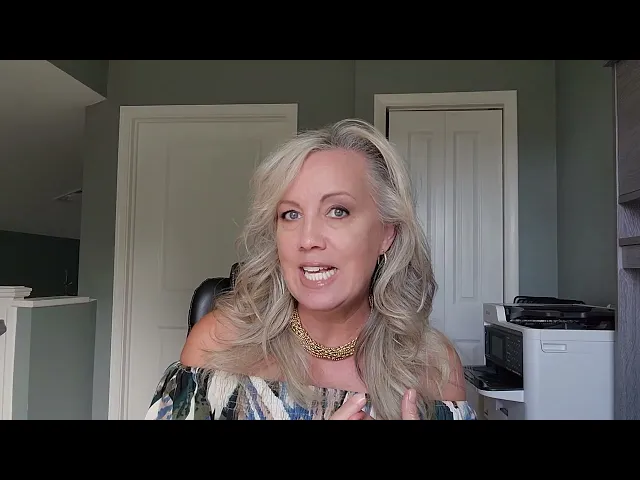
Dawn Patrick, a Lancaster, PA real estate agent, believes this is a manageable issue for sellers who prepare properly. Homes are still selling in Lancaster. The sellers who do best are the ones who address buyer questions directly instead of hoping the topic doesn't come up.
Key Takeaways
Some Lancaster City water customers received a letter about elevated PFOA and PFOS levels
July testing showed PFOA at 18.4 nanograms per liter, above the DEP limit of 14 nanograms per liter
The elevated readings are linked to water sourced from the Conestoga River
Water sourced from the Susquehanna River tested within safe limits
Lancaster City water has averaged around 15.2 nanograms per liter over the year, above the DEP's target
A reverse osmosis system is the recommended way to filter out these chemicals
Reverse osmosis systems typically cost between $1,000 and $2,000 depending on the model
This is a solvable issue, not a reason to delay a sale
What's Happening in the Market
Elevated PFOA Levels in City Water
Testing conducted in July showed PFOA levels of 18.1 nanograms per liter in Lancaster City water. That is above the Department of Environmental Protection's standard limit of 14 nanograms per liter. Sellers in areas served by city water should expect this to come up during buyer due diligence.
Water Source Makes a Difference
Not all Lancaster City water is affected equally. Water sourced from the Conestoga River showed the elevated readings, while water sourced from the Susquehanna River tested fine. Dawn Patrick recommends sellers find out which source supplies their property, since that context can ease buyer concerns significantly.
A Pattern, Not a One Time Reading
This is not an isolated test result. Lancaster City water has averaged around 15 nanograms per liter over the past year, consistently above the DEP's safe target. Buyers researching the area may find this information on their own, so sellers are better off addressing it proactively.
Reverse Osmosis as a Practical Fix
The recommended solution is a reverse osmosis filtration system, which is effective at removing forever chemicals from drinking water. According to a local plumber, these systems generally cost between $1,000 and $2,000 depending on the model chosen. For many Lancaster sellers, this is a reasonable investment that can reassure buyers and support a smoother sale.
Lancaster Seller Insight
Selling a home in Lancaster, PA right now takes more than a good listing photo. Timing, pricing, and preparation all matter, and so does being upfront about local factors like water quality. Dawn Patrick works with sellers to address these details early, price the home appropriately, and present it in a way that keeps buyers confident from showing to closing.
Frequently Asked Questions
Is Lancaster City tap water safe to drink right now?
Testing has shown PFOA levels above the DEP's safe limit in water sourced from the Conestoga River. Water from the Susquehanna River has tested within safe limits. Homeowners concerned about their specific water source should check with the city and consider a filtration system.
Will water quality issues affect my ability to sell my Lancaster home?
Not necessarily. Homes across Lancaster continue to sell. Being transparent about the water situation and, where needed, installing a reverse osmosis system can help address buyer concerns before they become objections.
How much does a reverse osmosis system cost?
Systems typically cost between $1,000 and $2,000 depending on the model. This is a relatively small investment compared to the reassurance it can offer buyers during a home sale.
Does every home in Lancaster have the same water issue?
No. The elevated readings are tied to water sourced from the Conestoga River. Homes on Susquehanna River sourced water have tested within safe limits, so the impact depends on which source serves your property.
Should I install a water filtration system before listing my home?
It depends on your water source and your comfort level with disclosure. Many sellers choose to install a reverse osmosis system as a proactive step. Dawn Patrick can help you weigh whether this makes sense for your specific situation and timeline.
Who can I talk to about selling my home in Lancaster, PA?
Dawn Patrick is a Lancaster, PA based real estate agent who helps sellers navigate local market conditions, including water quality questions, pricing strategy, and preparing a home to sell with confidence.